SDR vs. HDR in Home Theater: How a Laser Projector Can Revolutionize Your Movie Experience
July 30, 2025
What do these abbreviations mean for the image quality on your screen? And why is this difference especially crucial for a projector? Don’t worry. This article clearly explains the differences and shows why modern HDR, especially in laser projectors, is the key to truly stunning visuals.
What is SDR? The traditional standard for home video
SDR, or Standard Dynamic Range, has been the established standard for almost all visual content for decades, from DVDs and traditional television to standard Blu-ray. The specifications for SDR were developed at a time when CRT televisions were the dominant technology and are therefore shaped by their technical limitations.
The key features of SDR are:
For its time, SDR was a reliable technology. However, on a large cinema screen, it reaches its limits. The image may lose brightness and dynamic range, and subtle color transitions are not always perfect.
What is HDR? A window to a more realistic world
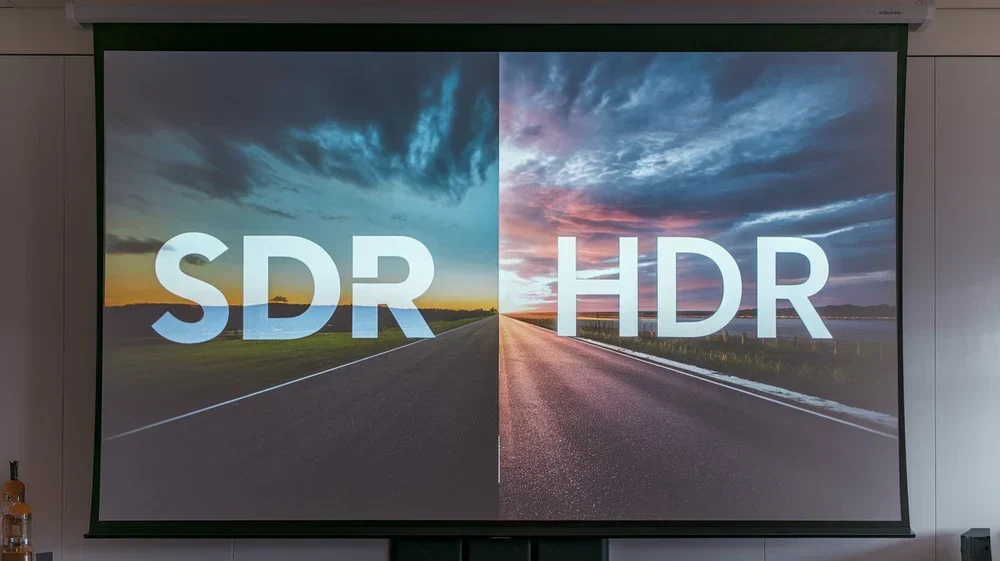
HDR stands for High Dynamic Range and is the modern response to the limitations of SDR. The goal of HDR is not simply to make everything brighter. It is about creating an image that comes much closer to reality and human visual perception in terms of depth, color, and brightness.
The technology is specifically designed to display more details in both the brightest and darkest areas of the image simultaneously—details that are often lost with SDR. This advantage is significant for projectors, as HDR provides the necessary brightness to render even bright scenes, such as explosions or dazzling sunlight, brilliantly and impressively on a screen over 100 inch.
The Big Comparison: SDR vs. HDR on the Big Screen
The technical difference between the two technologies is significant. The following table summarizes the key points:

| Merkmal | Standard Dynamic Range (SDR) | High Dynamic Range (HDR) |
|---|---|---|
| Spitzenhelligkeit | ca. 100 Nits (gemastert) | 600 - 4.000+ Nits (gemastert) |
| Farbtiefe | 8-Bit (16,7 Mio. Farben) | 10-Bit (1,07 Mrd. Farben) |
| Farbraum | Rec. 709 (Standard-HDTV) | DCI-P3 / Rec. 2020 (Kino-Standard) |
| Metadaten | Keine (statisch) | Statisch (HDR10) oder Dynamisch (Dolby Vision, HDR10+) |
Is HDR really better? Yes, but the performance of the projector is crucial.
The short answer is: Yes, HDR is technologically and visually superior. It delivers an image with greater depth, more vibrant colors, and stunning realism. However, there is a crucial caveat: the playback device must have sufficient performance to make these advantages visible.
Attention: An inexpensive or older projector with poor HDR implementation may produce a "washed out" or overly dark image. In some cases, a good SDR image may actually look better. To fully experience the benefits of HDR on a large screen, a projector must offer extremely high brightness and a wide color gamut. Modern tri-color laser projectors such as the newAWOL Vision Aetherion Proare clearly at an advantage here: With 2600 ISO lumens brightness, 6000:1 native contrast ratio, and 110% Rec.2020 color gamut coverage, it delivers the performance needed to display HDR content on the big screen with brilliant, high-contrast, and true-to-life colors.
The HDR Format Jungle: HDR10, Dolby Vision & More in Home Theater
To make things a bit more complex, there is not just one type of HDR. The different formats mainly differ in how they deliver image information to the projector.
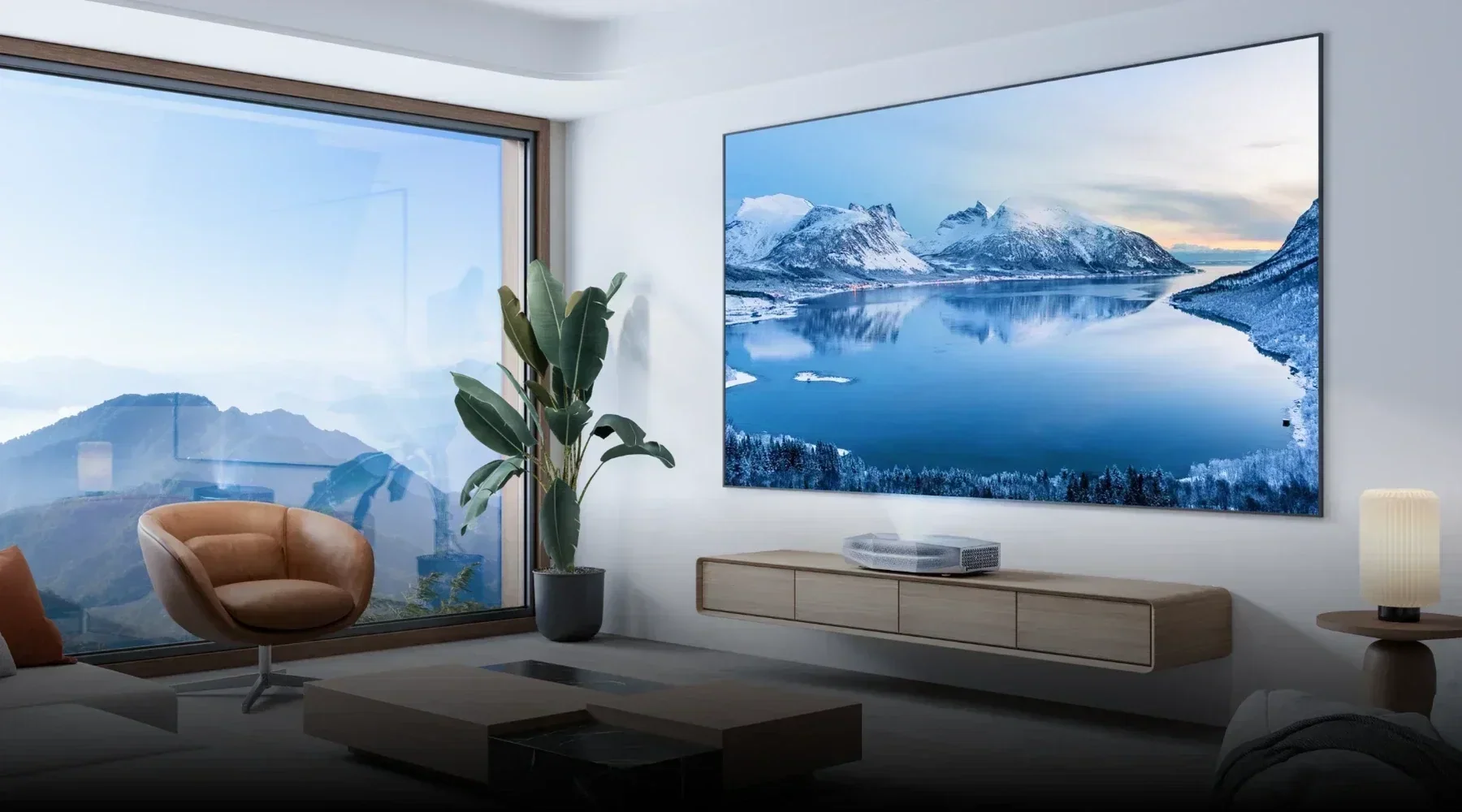
While most projectors only support the basic HDR10 standard, the premium Dolby Vision format was, for a long time, almost exclusively available on high-end TVs. This is now changing: Advanced laser projectors like the LTV-3500 Pro bring Dolby Vision to the big screen and also support HDR10+. This gives users maximum flexibility and ensures that content from all major streaming providers is displayed in the best possible dynamic quality.
Your checklist for the perfect HDR home theater
To ensure you get the best possible HDR experience, the entire chain must be properly configured.

Conclusion: HDR is the future of home cinema – with the right projector
The transition from SDR to HDR is one of the most significant advancements in video technology. For a true, immersive cinema experience that transports you to new worlds, a modern laser projector with excellent HDR capabilities is now essential. High brightness, a wide color gamut, and support for dynamic formats such as Dolby Vision and HDR10+ are the key ingredients that turn an ordinary movie night into an unforgettable event.
Frequently Asked Questions (FAQ)
Discover More Insights