What is UHD resolution? The guide to decoding TV jargon
April 30, 2026
If you are deciding whether to purchase aProjector or TVWhen looking to buy, you are practically overwhelmed with abbreviations. It can be frustrating when all you want is a crisp, sharp image, but you have to choose between terms like UHD, OLED, QLED, or laser technology.
The most common question from buyers is often:Should I buy a UHD screen or an OLED screen?The truth is: Two different things are being compared here. It's like comparing the horsepower of a car (resolution) with the type of fuel (display technology).
This guide clears up the confusion. We explain exactly what UHD resolution is, why you should not confuse it with panel technologies, and how to find the best picture for your home.
UHD resolution explained simply
UHD stands forUltra High Definition. This is provided for informational purposes only regarding theImage resolution– more precisely, the number of pixels that make up your image.
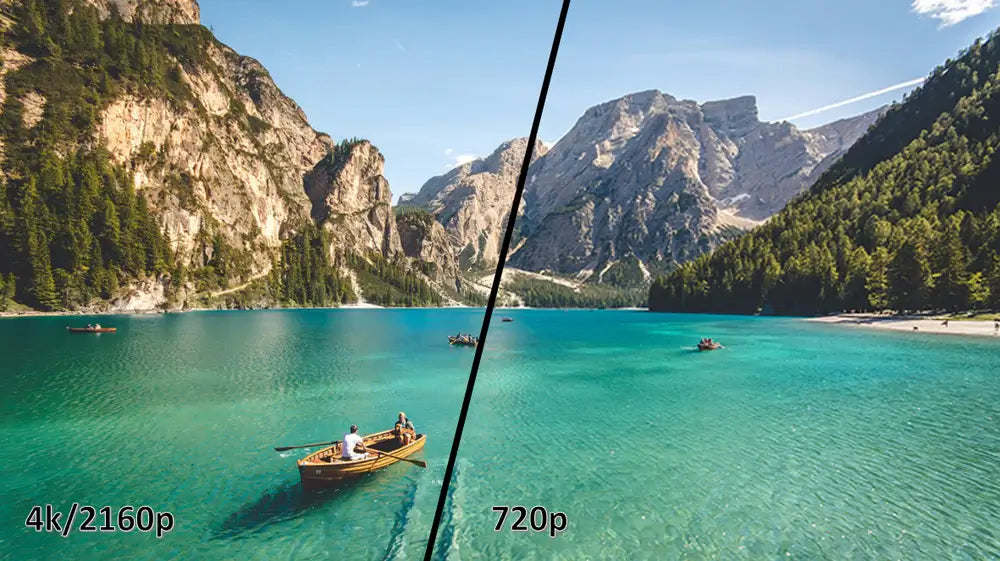
A display with UHD resolution has exactly3840 × 2160 pixels. That is a total of approximately 8.3 million pixels. Compared to the older Full HD standard (1080p), UHD delivers an image that is four times sharper and more detailed.
(Note: In the electronics industry, the terms "UHD" and "4K" are now almost always used interchangeably. If you would like to learn about the exact historical and mathematical differences between true cinema 4K and consumer UHD, read our detailed guide on What is 4K resolution?)
The Big Misconception: UHD vs. Display Technologies
Let’s address the most frequently searched questions online:Which is better, UHD or OLED?orWhat is the resolution of a typical UHD panel?
To answer these questions, we need to compare apples to apples:
- UHD is the WHAT (the resolution):UHD only describeshow manypixels are present on the screen (8.3 million).
- OLED, QLED, and laser refer to the HOW (the technology):These terms describe,howthese 8.3 million pixels are illuminated.
So you don't have to choose between UHD and a specific light technology. A modern premium home cinema device is typicallyboth: It uses advanced light sources to project an image in 4K UHD resolution.
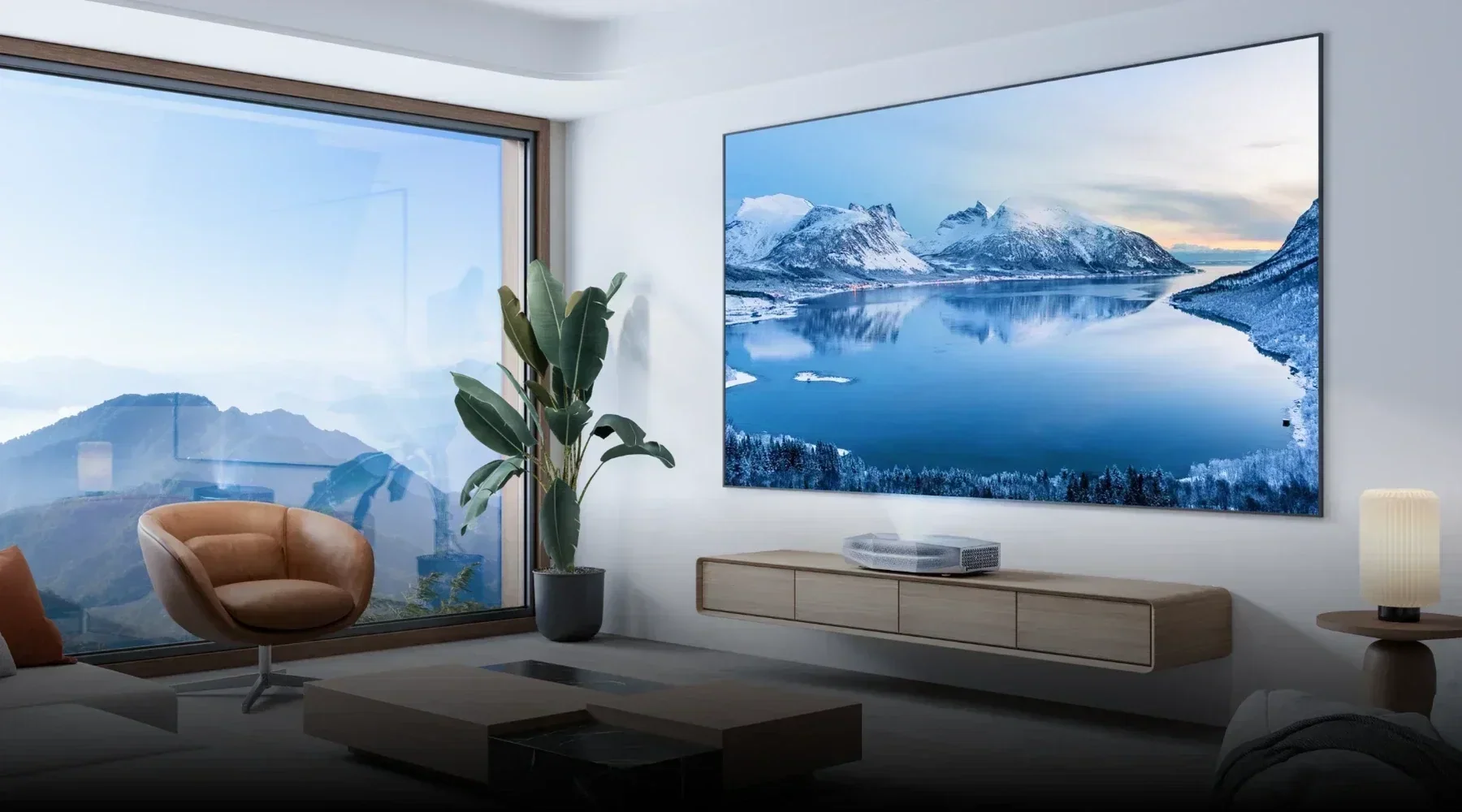
Here, the following stand out in particularultra-short throw projector(UST projectors) stand out. They use pure laser light sources to project the 8.3 million UHD pixels with exceptional brightness and true cinematic colors onto massive screens, without the need to darken the room.
Frequently Asked Questions about Compatibility (Upscaling & Downscaling)
Many users are unsure what happens when old film material is played on new UHD devices – or vice versa.
Can I watch UHD on an HD TV?
Yes, but you will not see UHD quality.For example, if you stream a 4K UHD movie from a streaming service to an older Full HD TV, the system performs what is known as "downscaling." The 8.3 million pixel image is reduced to the 2 million pixels of your HD TV. You can watch the movie without any issues, but you do not benefit from the increased sharpness.
What happens to regular TV programs on a UHD display?
The opposite happens:UpscalingIf a standard HD signal is received by your new UHD device, the device must process the missing image information so that the picture fills the entire screen.
Processing power plays a crucial role in this. The newAWOL VisionAetherion ProandAetherion Maxrely on the flagship 4K UHD SoC MT9655 platform with ample memory. This powerful hardware enables highly efficient rendering and upscaling, ensuring that even standard content is displayed impressively clear and sharp on a giant screen.
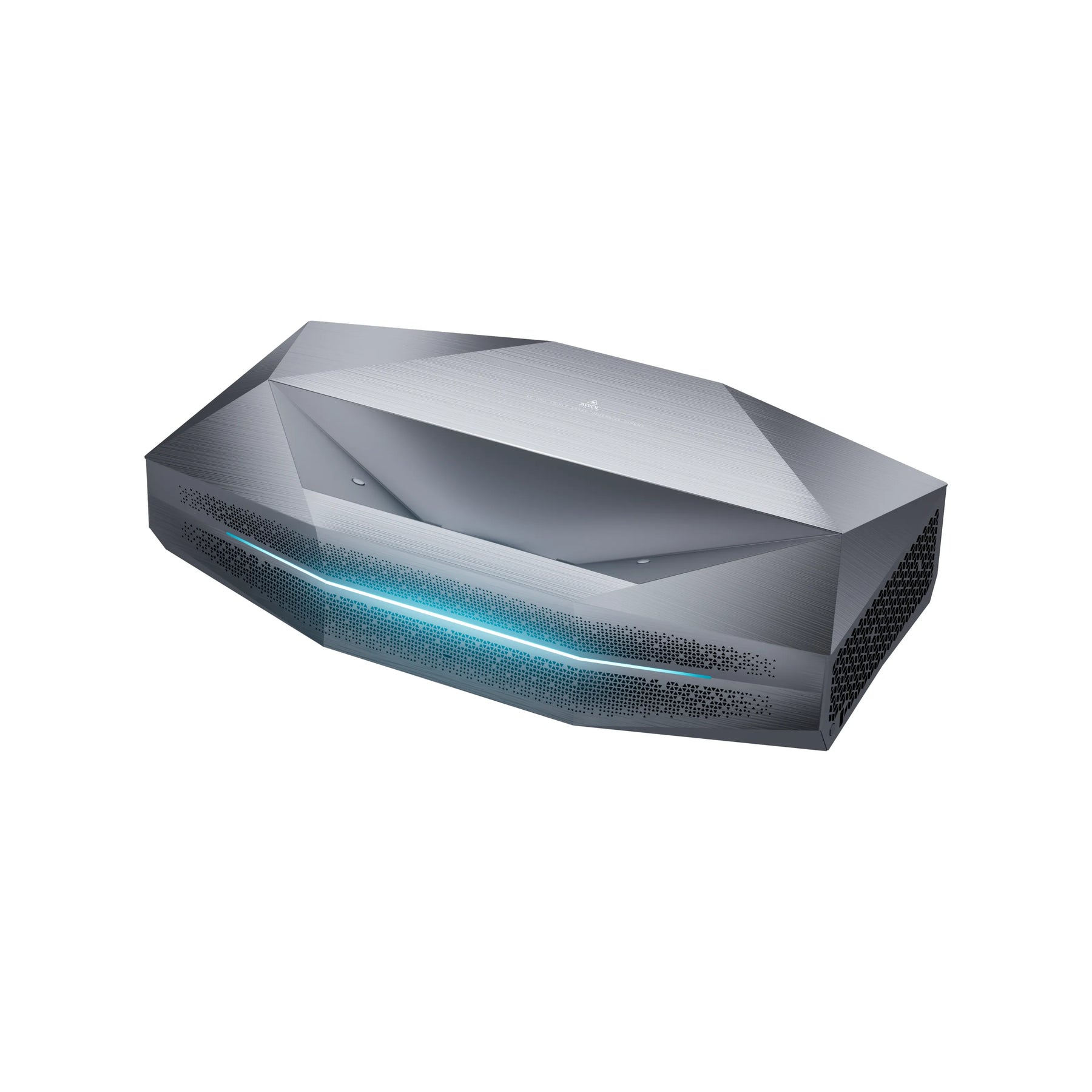
Aetherion Max 4K RGB ultra-short throw projector €3,699.00 €3,999.00 4K up to 200 inch 3300 ISO lumens 6000:1 contrast PixelLock™ Anti-RBE 2D/3D 110% Rec.2020 VRR + 1 msPre-order
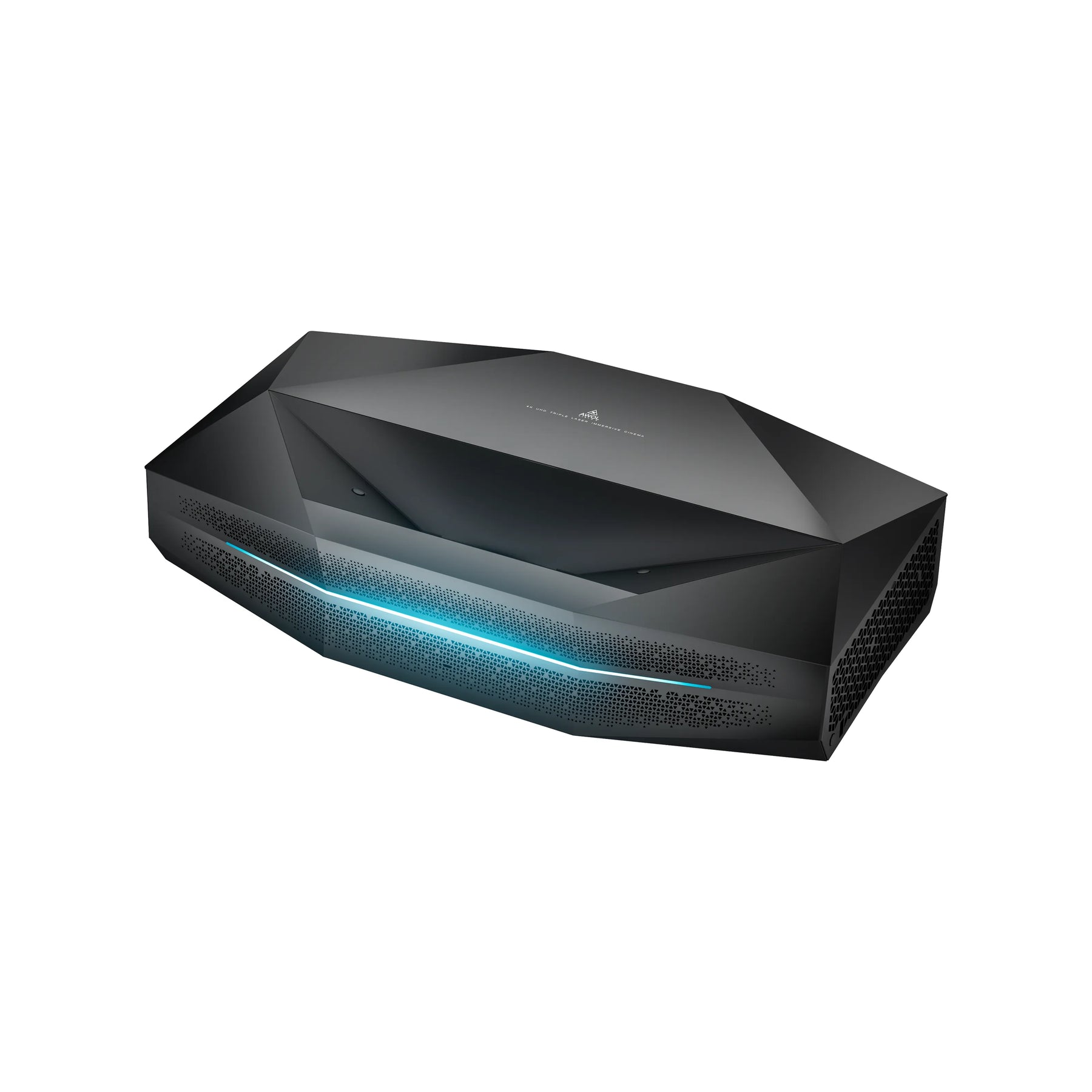
Aetherion Pro 4K RGB ultra-short throw projector €2,799.00 4K up to 200 inch 2600 ISO lumens 6000:1 contrast PixelLock™ Anti-RBE 2D/3D 110% Rec.2020 VRR + 1 msPre-order
When is UHD resolution truly worthwhile?
Many users rightly ask:Is a 4K projector worth itor UHD TV at all? The most important rule in home cinema is:The higher the resolution, the larger the screen size needs to be for you to notice the difference.If you want the perfect seating distance and theCalculate screen size, you will quickly notice that UHD hardly stands out on small displays.
UHD resolution truly comes into its own at screen sizes of 80 inch and above. To get the absolute maximum from your 8.3 million pixels, a modern setup with the newAWOL Vision Aetherion Seriesthe ideal way:
- Gigantic images in the smallest spaces:Thanks to a throw ratio of 0.2:1, the Aetherion Pro and Aetherion Max can project 4K UHD images from80 to 200 inchproject while positioned just a few centimeters from the wall.
- Pixels in perfect light:Pure RGB triple laser technology delivers 110% of the REC 2020 color gamut at an impressive 2600 ISO lumens (Aetherion Pro) or 3300 ISO lumens (Aetherion Max). Supported byDolby Vision, IMAX Enhanced andDynamic tone mapping, each individual pixel is displayed with perfect contrast (native contrast ratio of 6000:1 with iris lens) and lifelike colors.
- The ultimate gaming performance:Console gamers also benefit greatly from UHD. With HDMI 2.1 ports, 1 ms input lag, VRR (Variable Refresh Rate), and ALLM (Auto Low Latency Mode), the new Aetherion models deliver uncompromisingGaming projectorfor responsive 4K gaming.
Conclusion: UHD is the foundation, technology makes the difference
Don't be misled by marketing terms. TheUHD resolutionis now the absolute standard for razor-sharp images. If you are choosing a new home theater device, 4K UHD is a must.
However, your actual purchase decision should focus onwhich technologypowers these pixels andhow largethe image should be. Those seeking maximum size, stunning colors, and uncompromising hardware performance will find it in the new generationhigh-quality 4K laser TVssuch as the AWOL Vision Aetherion, the ultimate window into another world.
Discover More Insights